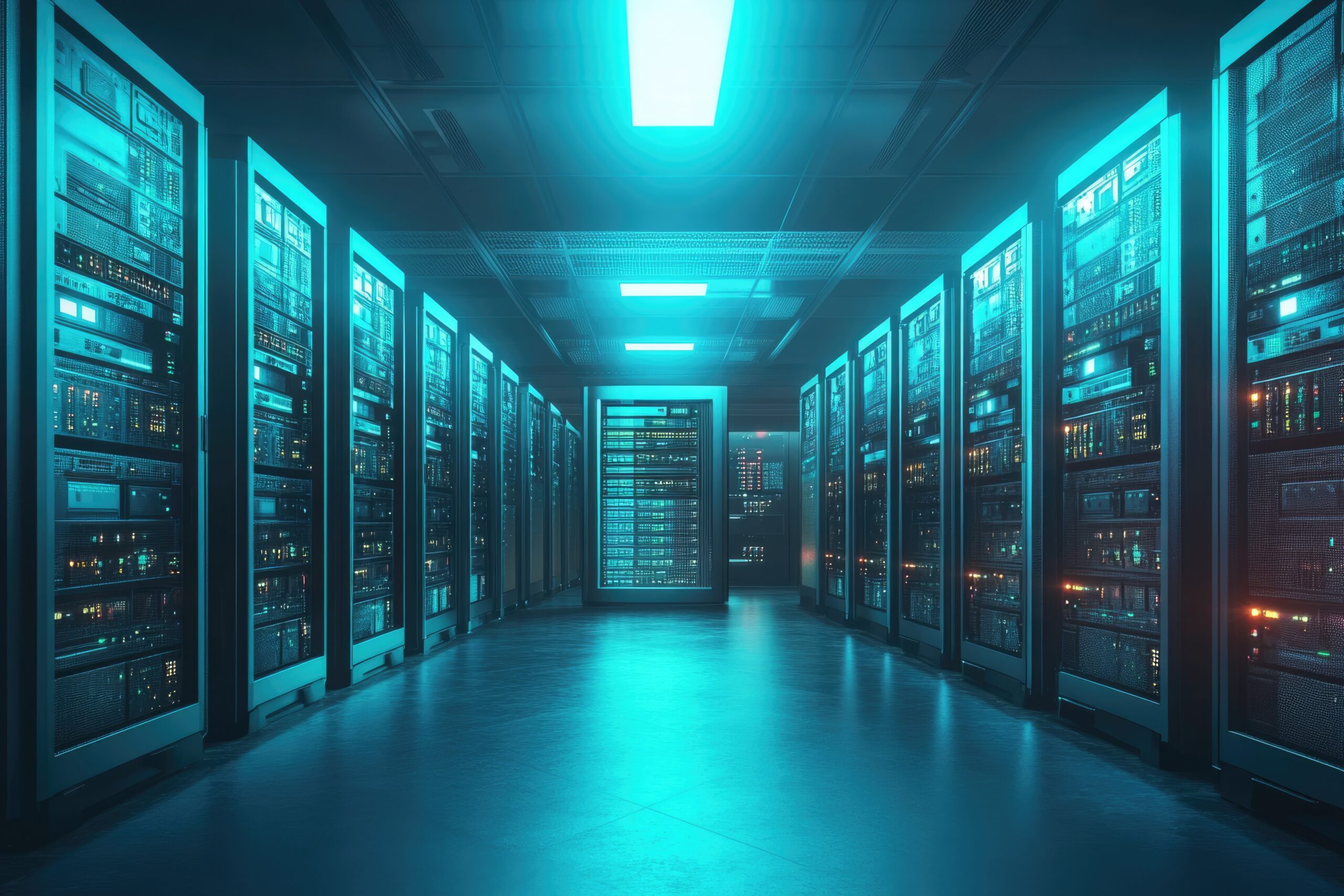
AI workloads are placing unprecedented demands on GPU infrastructure. From large language model training to real-time inference, modern data centers depend on sustained, high-performance compute environments where even minor disruptions carry significant consequences.
One of the most underestimated threats to this infrastructure is contamination: airborne dust and microparticles that gradually accumulate across servers, cooling systems, and cable trays. Left unmanaged, dust quietly erodes equipment performance, accelerates hardware degradation, and drives up operational costs. This is why professional data center cleaning has become a critical part of protecting AI infrastructure and ensuring operational reliability.
Understanding AI Workloads and GPU Dependency
AI workloads fall into two primary categories: training and inference. Training involves intensive, sustained computation: processing large datasets over extended periods to build models. Inference applies those models in real time, requiring fast, consistent GPU response. Both are resource-intensive and thermally demanding. GPUs generate significant heat under load, and their performance is directly dependent on stable thermal conditions within the data center environment.
When cooling is compromised, clock speeds drop, processing slows, and model accuracy can become inconsistent. For data centers running GPU clusters, maintaining a clean environment is not optional. It is an operational infrastructure.
What Is Dust Contamination in a Data Center?
Dust in a data center is not a single substance. It includes particulate matter, construction debris, fibrous materials, and, in some environments, zinc whiskers shed from older electroplated surfaces. Sources range from poor air filtration and human activity to nearby construction work.
Even in ostensibly controlled facilities, particles enter through cooling systems, cable entry points, and foot traffic. These contaminants settle on heat sinks, fans, printed circuit boards, raised floor subsurfaces, and floor surfaces, areas that are frequently overlooked during routine facility management and where the risk of damage is highest.
How Dust Degrades GPU Performance
Thermal Insulation Effect
Dust acts as an insulating layer on heat sinks and cooling fins. As accumulation builds, heat dissipation slows, internal temperatures rise, and the GPU’s thermal management system responds by reducing clock speeds, a process known as thermal throttling. Under heavy AI workloads, this directly reduces compute throughput and extends processing times.
Airflow Blockage
Clogged air filters, blocked vents, and contaminated ductwork reduce the volume of cool air reaching server racks. In dense GPU environments, this creates localized hot spots that cooling infrastructure cannot compensate for without significant energy overhead. Sub-floor areas, cable trays, and ceiling plenums are particularly prone to accumulation that restricts the facility-wide airflow these environments depend on.
Electrostatic Discharge Risk
Conductive particles such as zinc whiskers can bridge circuit board components, causing electrostatic discharge (ESD) events that damage sensitive IT equipment, often without any immediate visible fault. ESD damage is cumulative and frequently only apparent when hardware fails under sustained load. This is a silent risk that professional data center cleaning and contamination control are specifically designed to eliminate.
Impact on AI Workloads
The downstream effects on AI operations are measurable. Thermal throttling extends model training times, increasing compute cost per run. Inference latency rises, affecting applications where a consistent response time is critical. Inconsistent thermal conditions introduce processing variability that, at scale, can compromise output reliability and interrupt AI-driven operations.
For organizations where GPU uptime directly affects revenue or service delivery, contamination is a financial risk as much as a technical one. Proactive contamination control protects both your data and your investment in AI infrastructure.
Long-Term Hardware Damage and Energy Costs
Hardware Degradation
Beyond performance degradation, dust causes progressive hardware damage. Fan bearings wear faster under increased load, corrosion develops on exposed contacts and components, and cumulative thermal stress shortens GPU and server lifespan. Early replacement cycles and emergency procurement represent substantial unplanned capital expenditures that a structured cleaning program would otherwise prevent.
Energy Consumption
Data centres in Singapore already account for over 7% of the nation’s total electricity consumption. Dust-compromised cooling systems must work harder to maintain target temperatures, increasing power usage effectiveness (PUE) metrics and driving up energy consumption and operational costs. Under Singapore’s Green Plan 2030, operational cleanliness is directly linked to sustainability compliance, making contamination control a regulatory consideration as much as an operational one.
Preventing Dust Contamination
Facility Design and Filtration
Effective contamination prevention begins at the design stage. Hot aisle and cold aisle containment separates warm exhaust air from cool intake air, improving cooling efficiency and reducing the surface area exposed to recirculated particles. HEPA filter systems, capable of capturing particles as small as 0.3 µm, provide the primary barrier against airborne contamination entering the facility.
Monitoring and Detection
Real-time IoT sensor networks can track airflow patterns, particulate density, and equipment temperatures continuously. Particle count testing aligned with ISO 14644-1:2015 Class 8 standards (no more than 3.52 million particles per cubic meter) provides a measurable benchmark for cleanliness. Proactive monitoring enables facilities teams to take action before failures occur rather than responding to incidents after the fact.
Routine Cleaning
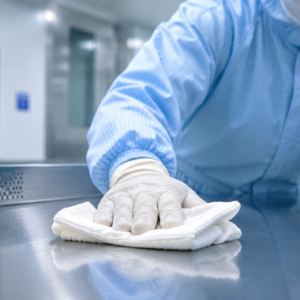
Scheduled professional cleaning of rack interiors, raised floor sub-surfaces, floor tiles, cable trays, and ceiling plenums prevents accumulation from reaching critical levels. Specialist cleaning techniques using anti-static methods and HEPA-filtered vacuum cleaners remove particulates safely, without reintroducing contaminants into the environment.
The Role of Professional Data Centre Cleaning Services
General facility cleaning is insufficient for data center environments. The precision, equipment, and protocols required to clean around live, sensitive hardware demand specialist expertise that goes far beyond standard cleaning services.
Professional data center cleaning services operate to industry standards, including ISO 14644-1 and ASHRAE TC 9.9 guidelines, using certified anti-static procedures, Class 8-rated equipment, and documented post-cleaning particle count testing. The result is a controlled environment that is verifiably clean, compliant, and protected.
Data Clean Asia provides specialist data center and server room cleaning services across Singapore, following industry-approved cleaning protocols designed specifically for controlled environments. From subfloor cleaning to inside rack cleaning, our technicians use HEPA-filtered vacuum systems and anti-static cleaning techniques to eliminate contamination without disrupting live operations. Post-service reporting confirms your data center meets measurable, auditable cleanliness standards.
Protect Your AI Infrastructure Before Dust Becomes a Problem
Dust is a silent but measurable threat to AI infrastructure. Its effects accumulate gradually until performance degradation becomes unavoidable: thermal throttling, airflow restriction, ESD events, accelerated hardware wear, and rising energy costs. A professional data center cleaning service provides the specialist expertise, equipment, and documented outcomes needed to protect your facility, your GPU investments, and your operational reliability.
Schedule a professional data center cleaning assessment with Data Clean Asia today. Protect your facility with expert contamination control solutions built for mission-critical environments.